Every year, National Poison Prevention Week reminds us that many everyday household items can be dangerous—even deadly—for our pets.
Dogs and cats are curious by nature (and occasionally professional troublemakers), which means toxins can be found in places you’d never expect.
At Happy Life Animal Rescue, we’ve seen firsthand how quickly accidents can happen—but the good news is, most are preventable.
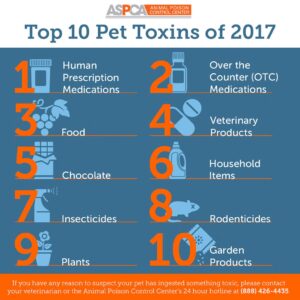
Many household items we use daily can be toxic to pets:
Cleaning supplies (bleach, disinfectants)
Laundry detergent pods
Essential oils (tea tree, eucalyptus, peppermint)
Human medications
👉 Learn more from the ASPCA here:
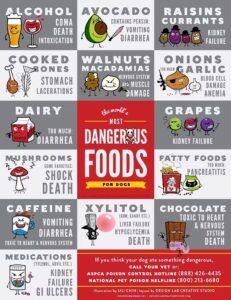
Some foods that are safe for us can be extremely dangerous for pets:
Chocolate (especially dark chocolate)
Grapes & raisins
Onions & garlic
Xylitol (found in sugar-free products)
👉 Full toxic food list from the American Kennel Club:
Plants can be a hidden danger, especially for curious pets:
Lilies (extremely toxic to cats)
Aloe vera
Sago palm
Pothos
👉 Browse the full database from the Pet Poison Helpline:
Watch for these warning signs:
Vomiting or diarrhea
Excessive drooling
Lethargy or weakness
Tremors or seizures
Difficulty breathing
🚨 If something feels off, trust your gut—it’s better to act quickly.
A few simple steps can make a huge difference:
Store chemicals and medications out of reach
Secure trash cans (because dogs = chaos goblins)
Keep food off counters
Choose pet-safe plants
Use pet-friendly cleaning products
👉 The FDA also offers pet safety tips:
If you suspect your pet has ingested something toxic:
Stay calm
Remove access to the toxin
Call your vet immediately
Contact the ASPCA Animal Poison Control Center: (888) 426-4435
👉 Emergency resource:
⚠️ Do NOT induce vomiting unless instructed by a professional.
Keeping your pet safe doesn’t require perfection—just awareness and a little preparation.
This National Poison Prevention Week, take a few minutes to:
Do a home safety check
Save emergency numbers
Share this guide with fellow pet lovers
Because a safe pet = a happy life 🐾💙